
Dealing with unwanted hair often means managing more than just regrowth. For many people, that experience comes with trial-and-error methods, skin irritation that never quite settles, and quiet questions about whether a more permanent option will suit their body.
After all, you might be worried about how your skin will respond, whether your health history matters, and what needs to be considered before treatment begins. For those looking to opt for electrolysis to permanently remove unwanted hair growth, these questions tend to surface.
You’re right to be curious. Understanding how electrolysis interacts with your skin and overall health can bring clarity and reassurance, allowing you to move forward without feeling rushed or uncertain.
What Electrolysis is and How Your Skin Responds
Electrolysis is a permanent hair removal method that works at the level of the hair follicle.
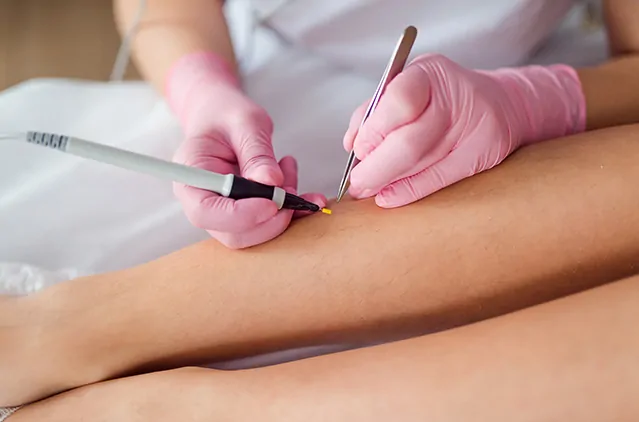
During electrolysis permanent hair removal treatment, an ultra-fine probe is inserted into the follicle’s natural opening. A small electrical charge triggers a chemical reaction that destroys the stem cells responsible for hair growth, while leaving the follicle structure intact.
Hair grows in a cycle,which means not all hair follicles would have visible hairs all at same time. Multiple sessions of electrolysis are required to ensure all follicles are treated. For this reason, electrolysis is a gradual process carried out over multiple sessions.
During treatment, mild tingling or stinging sensations are common. While temporary redness or slight swelling may appear afterwards, particularly in sensitive areas, they usually settle and resolve on their own within a few hours with appropriate aftercare.
These responses are expected and reflect the skin’s natural healing process. When performed correctly, electrolysis is globally recognised as a permanent hair removal method.
Health Considerations to Discuss Before Electrolysis Treatment
Sharing your health history with your electrologist can help plan treatment in a way that supports both safety and healing.
Heart Conditions and Medical Implants
Individuals with a history of heart disease, epilepsy, or seizure disorders are usually asked to provide written clearance from their GP or specialist before starting electrolysis permanent hair removal treatment.
Implanted medical devices, such as pacemakers and defibrillators, also require medical approval, as electrolysis equipment uses electrical current that may interfere with device function.
Cochlear implants are considered a contraindication to electrolysis treatment.
Diabetes and Immune System Considerations
Conditions such as diabetes can influence how the skin heals and may increase the risk of infection if blood glucose levels are unstable.
What’s more, a compromised immune system can also slow recovery. In these situations, conservative treatment planning and guidance from a healthcare professional help ensure safe, predictable outcomes.
Skin Conditions and Medications
Your skin’s condition at the time of treatment matters. Active skin conditions such as eczema, psoriasis, dermatitis, or open lesions should be fully healed before electrolysis begins. This is because treating compromised skin can increase irritation and delay recovery. Certain medications, including some acne treatments or immunomodulating drugs, can affect skin sensitivity and healing following electrolysis.
Bringing a list of current medications to your consultation allows your practitioner to adjust treatment settings and aftercare appropriately.
Pregnancy
Electrolysis permanent hair removal treatment is commonly postponed during pregnancy.
This is a precautionary approach that prioritises comfort and minimises unnecessary skin stress at a time when hormonal changes can affect skin sensitivity and healing responses.
Safety Standards and Professional Care
In Australia, electrolysis is regulated as a skin-penetration procedure. Practitioners are required to follow strict infection-control and hygiene standards set by state and local health authorities. These standards cover the use of sterile probes, equipment handling, treatment-area hygiene, and aftercare guidance.
means treatment should feel measured and well-managed rather than rushed. Assessment, consent, and documentation are part of responsible care, not obstacles to treatment.
Documentation and Medical Clearance
Depending on your health history, your electrologist may request documentation before starting treatment, such as:
- Written clearance from a GP or specialist
- Confirmation that a medical condition is stable
- Disclosure of medications or recent medical procedures
Providing accurate information helps ensure treatment is planned safely and supports predictable healing.
A Calmer Way Forward
If you’ve found yourself questioning whether electrolysis permanent hair removal treatment is right for you, that hesitation is understandable. Many people reach this point after years of managing unwanted regrowth, irritation, or mixed results from other methods. Taking time to understand how your health and skin fit into the process can make the next step feel calmer, clearer, and less isolating. Approaching electrolysis with the right information allows the process to unfold at a steady, supported pace.
